
Beaches of
NormandyTours
NormandyTours
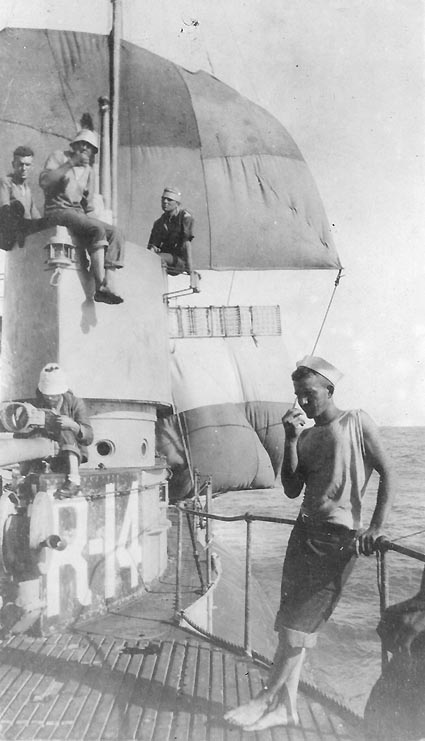
The word “sailing” is often used to describe the voyage of seagoing vessels regardless of the actual method of propulsion. This is especially true in the case of submarines, which combine internal combustion engines and battery power (and, more recently, nuclear power), since how could a submarine literally sail? Well, it turns out that the submarine USS R-14 did just that in May 1921.
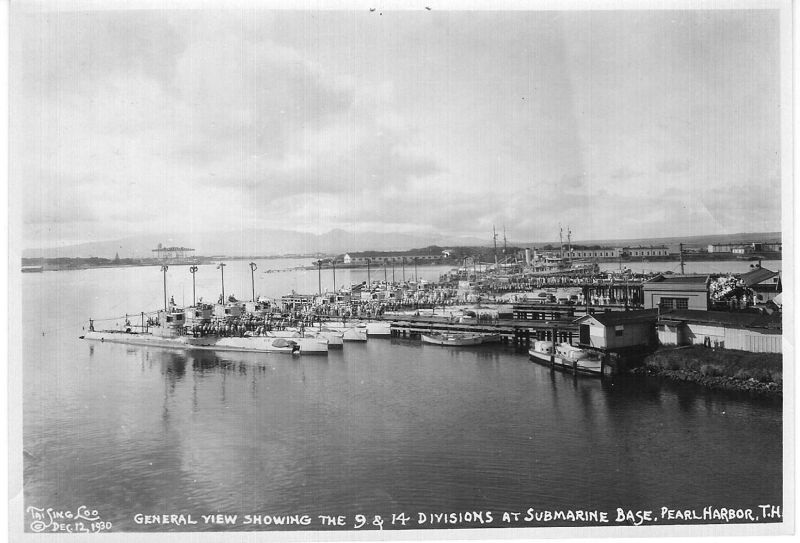
Construction on the R-class coastal patrol submarines of the U.S. Navy began in the late months of World War I. After the war, about a third of the production run was stationed at Pearl Harbor under the oversight of then-Commander Chester Nimitz for search and rescue operations and to provide additional defense against a Japan (Japan’s Road to Pearl Harbor – Part I) (Part II) that was drifting away from the Western powers.
On March 25, 1921, the ocean-going tug USS Conestoga departed with a barge from Mare Island, California, headed for American Samoa with a stop in Pearl Harbor. Unknown to anyone at the time, the tug got in a storm and sank with all hands on board when the barge tore free and ripped the hull open.
The tug was overdue at Pearl Harbor by early May, and four R-class submarines were sent out on a search and rescue mission. R-14 quickly topped up her fuel reserves before leaving. Departing in great haste, the crew skipped the lengthy process of sounding the fuel tanks to make sure the actual amount of fuel onboard matches the logbook data. R-14’s commanding officer, Lieutenant Clarke, was retained by Nimitz to help oversee submarine repairs. In his absence, the only two commissioned officers on board were the acting commanding officer and the engineering officer, Lieutenants Douglas and Gallemore.
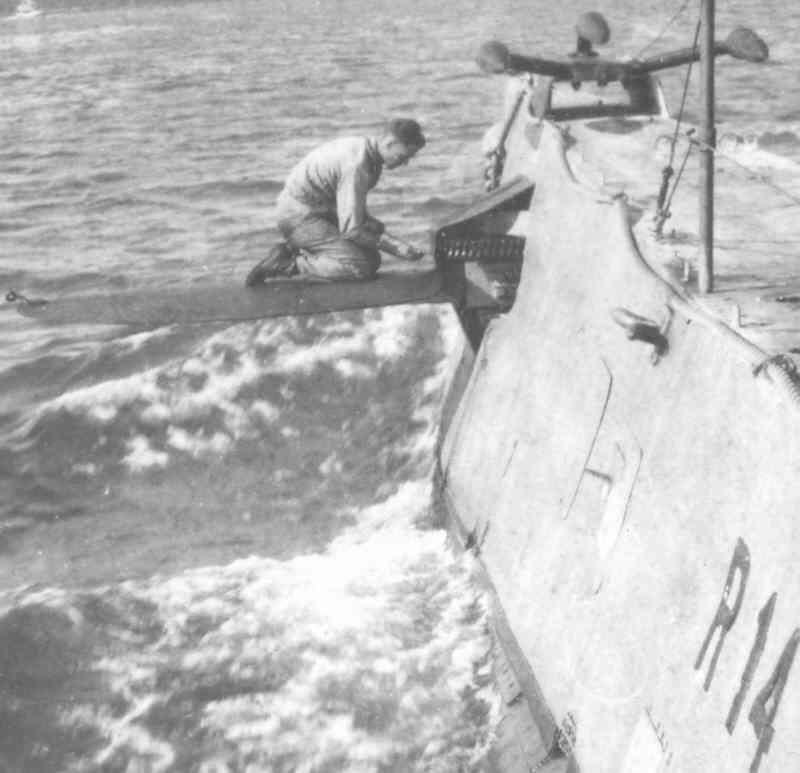
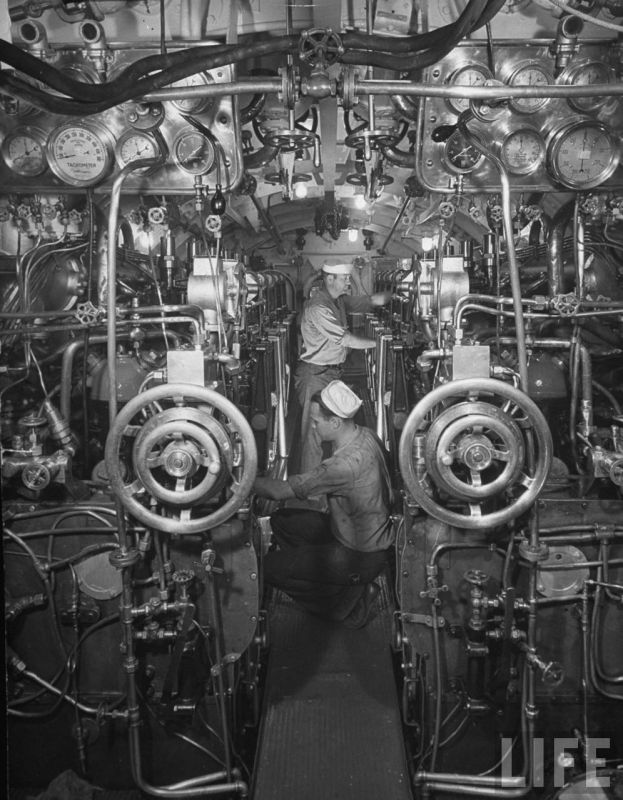
The sub’s engines were intermittently running rough over the first nine days of patrol, and investigation always revealed water contaminating the engine. In the afternoon of May 11, both engines sputtered and gave out 20 minutes apart.
A thorough investigation revealed that the two reserve tanks which were assumed to be full of diesel oil, were, in fact, full of compensating water used to balance the sub for the desired trim. Some of this water, believed to be oil, was earlier pumped from the reserve tanks into the main tanks, and from there into the engines.
R-14 did not have enough fuel to get to the port of Hilo on Hawaii 140 miles (225 km) away, and the batteries did not hold enough charge for the electric engines, either. The radio also went on the fritz, so the crew could not call for help. Food and fresh water supplies were also running low.
Finding creativity in desperation, the crew jury-rigged some sails from hammocks and mattresses and hoisted them on three similarly makeshift masts fashioned out of the torpedo loading crane’s king post and bunk frames. The boat could sail at a pace of about 2 knots (2.3 mph). Someone even figured out how to get a little bit of battery charge for critical stretches of the trip by declutching the propellers from the engines, allowing them to be turned by water resistance, and using them as dynamos.
R-14 finally made it back to Pearl Harbor on May 17. Lieutenant Douglas received a letter of commendation from Nimitz for the crew’s innovative actions, and R-14 went on to serve in World War II as a training vessel until her decommissioning in 1945.
Join us on our Pearl Harbor Anniversary Tour to step aboard USS Bowfin to learn more how the brave crews of submarines served during World War II.








Beaches of Normandy Tours
Beaches of Normandy Tours SAS, Normandy, France
Band of Brothers Tours
Band of Brothers Tours FZCO, Dubai, UAE