
Beaches of
NormandyTours
NormandyTours
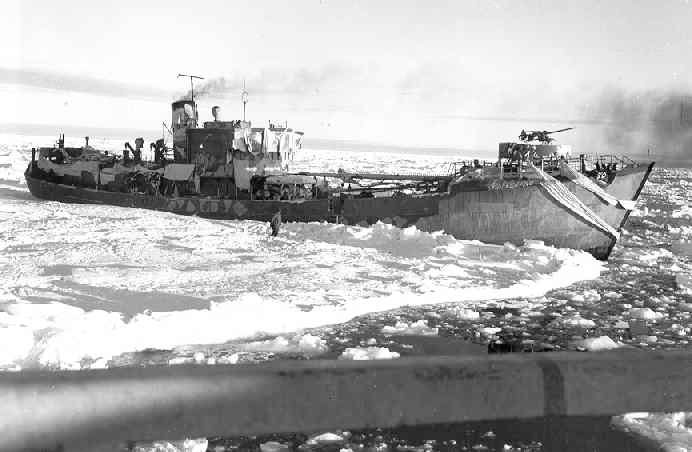
Our recent article about Greenland in World War II (Greenland and the United States – Part I) (Part II) described the German attempts to establish secret weather stations in remote parts of the frigid island, and how American forces and local dogsled patrols rooted them out. The arrival of these meteorologists and the soldiers guarding them, however, was not the first time Greenland was exposed to Nazi presence.
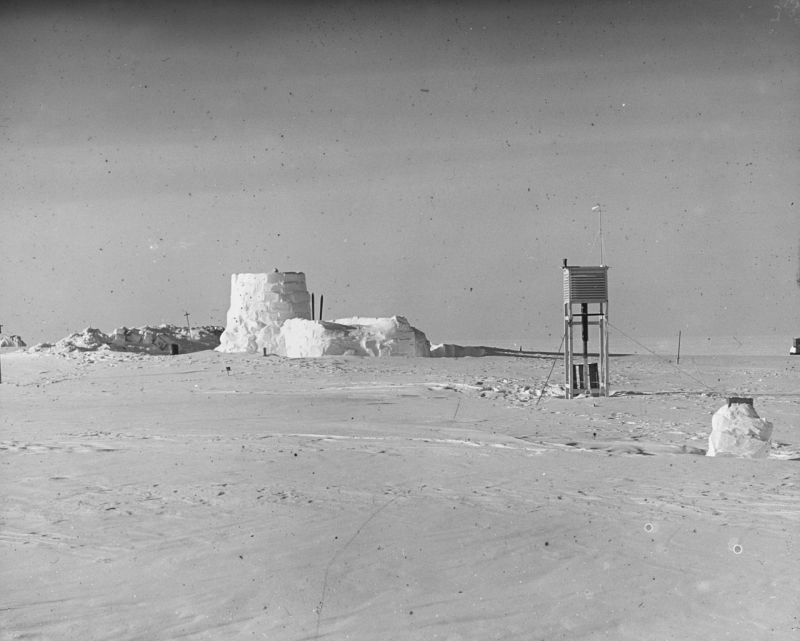
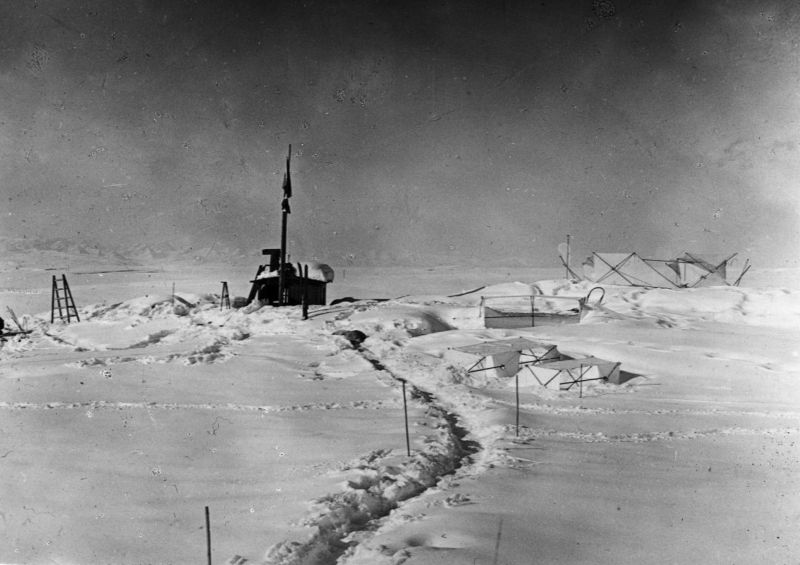
The Third Reich had already launched several scientific and polar expeditions to Greenland in the 1930s, with the swastika flag first raised on Greenlandic soil in 1933. Local Inuit often visited German camps, and Danish colonial administrators also got to know them.
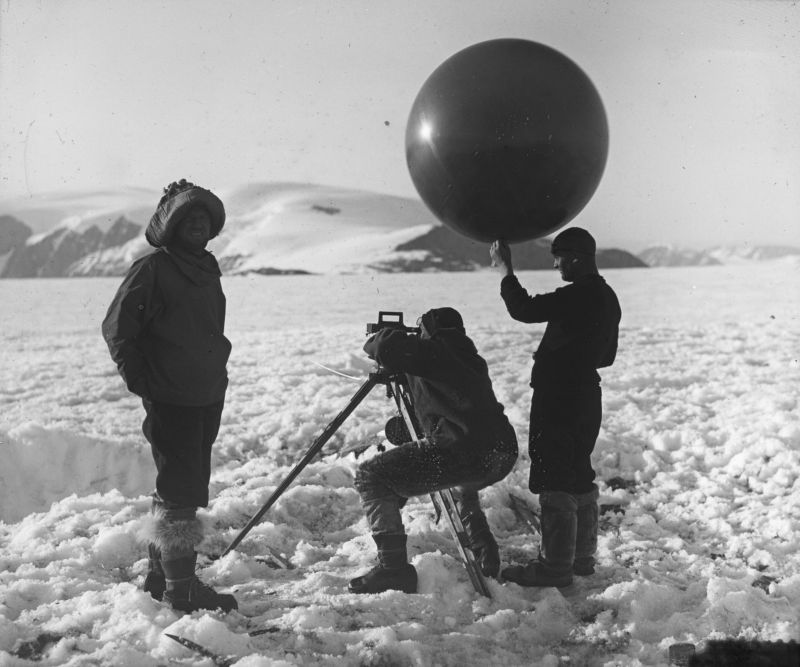
The Germans admired the Inuit’s ability to survive in the harsh environment, and some members of the SS Ahnenerbe (Ancestral Heritage) institute suggested that the “Nordic Germanic race” might have originated in Greenland, and the Inuit might have interacted with them in the distant past.
Conversely, it would seem that some Inuit, and even some ethnic Danes, were receptive to fascist ideology. They were probably not aware of the darker parts of Hitler’s racial policies, but instead considered Nazi Germany as a potential ally that could help them achieve independence from Denmark. The Germanic Volk ideology, which Nazism heavily built on, also echoed a glorious mythological past and a romantic link to the land which struck a chord with Greenlanders. Some locals even used the Nazi salute and adapted their sealskin boots to look like military footwear.
Nazism seems to have even spread through Greenlandic religious and education institutions. Some undercurrents of the ideology even survived the war: some Greenlandic nationalists later invoked concepts of “Eskimo blood,” being the “right inhabitants” of the land, and declaring that “the unmixed, genuine blood cries out the loudest.” One relic of Greenland’s brush with Nazism is preserved in a museum in the capital city of Nuuk. It is a red swastika armband with an upright polar bear, the symbol of Greenland, next to the white circle.
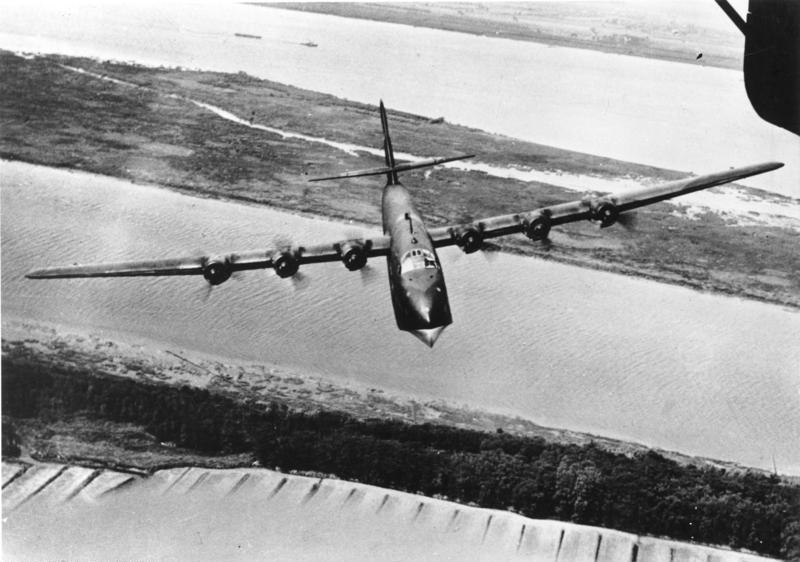
Another interesting note about Nazis on Greenland is a plan that never came to fruition. In 1945, with the end of the war in sight, Albert Speer, Hitler’s chief architect and Reich Minister of Armaments and War Production, had a fanciful plan to escape to Greenland and hide out for a while before returning to Germany. Another, similarly unrealistic plan involved Göring, Himmler and other senior Nazis escaping to the island. This plan got as far as procuring two massive BV 222 flying boats and preparing them for the flight in the North German port of Travemünde. The mission fell through when an Allied air raid destroyed both planes.









Beaches of Normandy Tours
Beaches of Normandy Tours SAS, Normandy, France
Band of Brothers Tours
Band of Brothers Tours FZCO, Dubai, UAE