
Beaches of
NormandyTours
NormandyTours
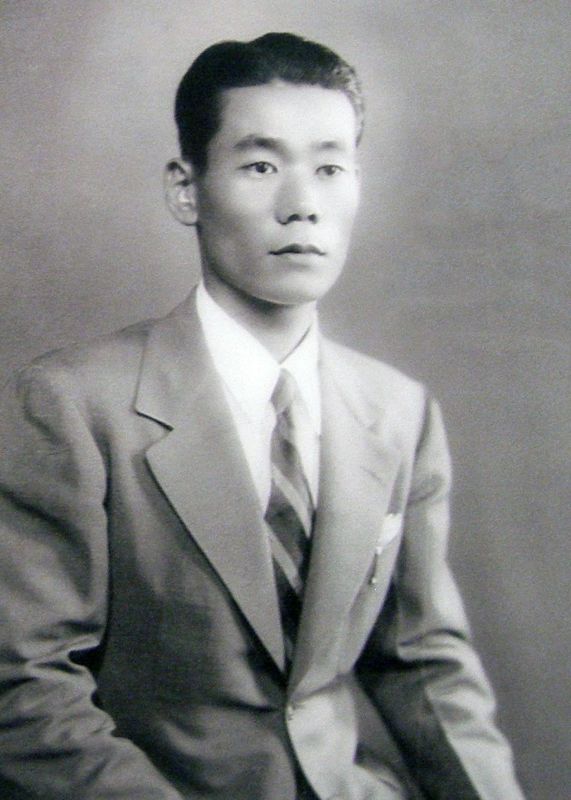
Japan carefully prepared the surprise raid on Pearl Harbor that marked the empire’s entrance into World War II. A part of that preparation, one you might not have heard of before, was planting a spy in O’ahu well in advance. Naval intelligence officer Takeo Yoshikawa was Japan’s eyes and ears on the ground until the very moment of the attack.
Yoshikawa was a graduate of the Imperial Japanese Naval Academy, but his naval career was cut short by a severe stomach ailment that cause him to be discharged on medical grounds. He was devastated to the point of contemplating suicide, but was given a second change in Naval Intelligence, a posting that did not require shipboard life. He learned English and became an expert on the U.S. Navy.
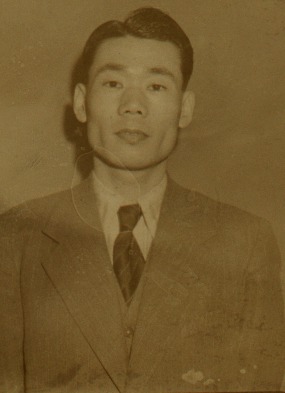
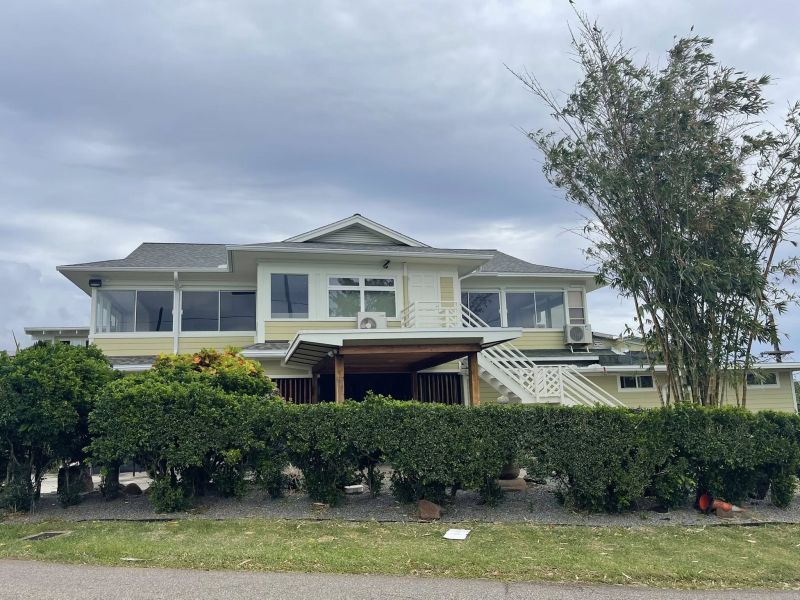
He arrived in Hawaii on March 27, 1941, under a false name, ostensibly as a junior official at the Japanese consulate. He threw himself into the job with vigor. He flew around on rented planes to see U.S. installations from the air; and dove under the harbor, breathing through a hollow reed. He sometimes observed military bases from the hillsides, dressed as a sugarcane plantation laborer. He often frequented a local Japanese-style teahouse; the place not only offered a good view of Pearl Harbor and Hickam Field from the second floor (which had telescopes equipped), but also allowed him to indulge in womanizing and hard drinking.
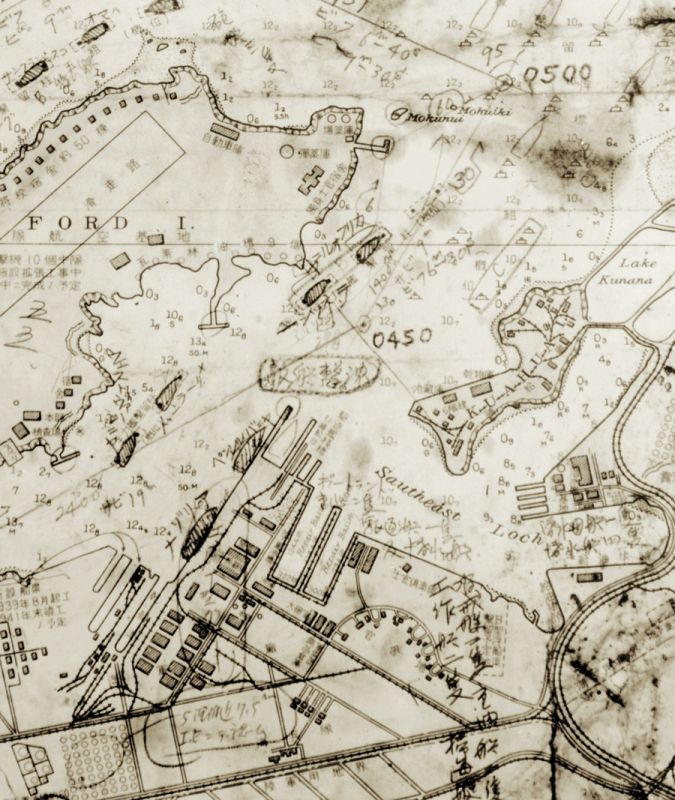
Yoshikawa sent home a wealth of information about U.S. air patrols, naval schedules, the suitability (or lack thereof) of various areas for naval operations, and the location and numbers of warships in harbor. These messages were sent via the PURPLE cypher; U.S. intelligence had already broken the code, but decoding diplomatic messages between the Hawaii consulate and Tokyo had low priority, as the volume was high and most of them were irrelevant. One particular message sent by Yoshikawa, which explicitly used the phrase “surprise attack,” was only translated the day after the attack. The information provided by Yoshikawa helped Admiral Yamamoto (Yamamoto – Part I) (Part II) finalize the plans of the attack.
Some 160,000 people of Japanese ancestry lived in Hawaii at the time, but Yoshikawa considered them too loyal to America and did not try to recruit any of them. He put greater faith in German agent Bernard Kühn, who sent him messages by light signal from his attic, which could be seen from the consulate.
Yoshikawa was picked up by the FBI on the Day of Infamy, but he had already destroyed all incriminating evidence of his espionage activities. He was returned to Japan in 1942 in a diplomat prisoner exchange.
Yoshikawa opened a candy shop after the war, but struggled once the public learned of his past and started blaming him for the war. He never received official recognition for his deeds, and died jobless and penniless, only supported by his wife.
Join us on our Pearl Harbor Anniversary Tour to attend the commemorations and pay tribute to the soldiers who paid the ultimate price to defend our freedoms from the Japanese attack.






Beaches of Normandy Tours
Beaches of Normandy Tours SAS, Normandy, France
Band of Brothers Tours
Band of Brothers Tours FZCO, Dubai, UAE