
Beaches of
NormandyTours
NormandyTours
The “shot heard round the world” is a reference to the Battles of Lexington and Concord, which sparked the American War of Independence. In that war, command of the Continental Army fell to George Washington, a colonel from Virginia. Washington’s actions in the war earned him acclaim as a national hero and the first presidency of the new-born United States of America.
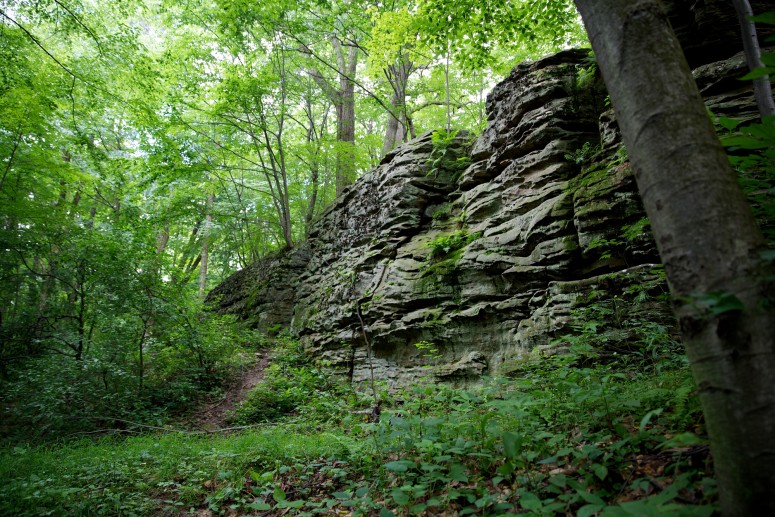
Washington’s career, however, also includes another world-changing shot, one fired over 20 years earlier. That shot, coming from Washington’s own musket, led to a global conflict sometimes dubbed “World War Zero,” and indirectly but greatly contributed to eventual American independence. Today’s two-part article, written in honor of this year’s Presidents’ Day, is about a young George Washington’s fateful shot in a then-nameless glen in the forests of what is today Fayette County, Pennsylvania.
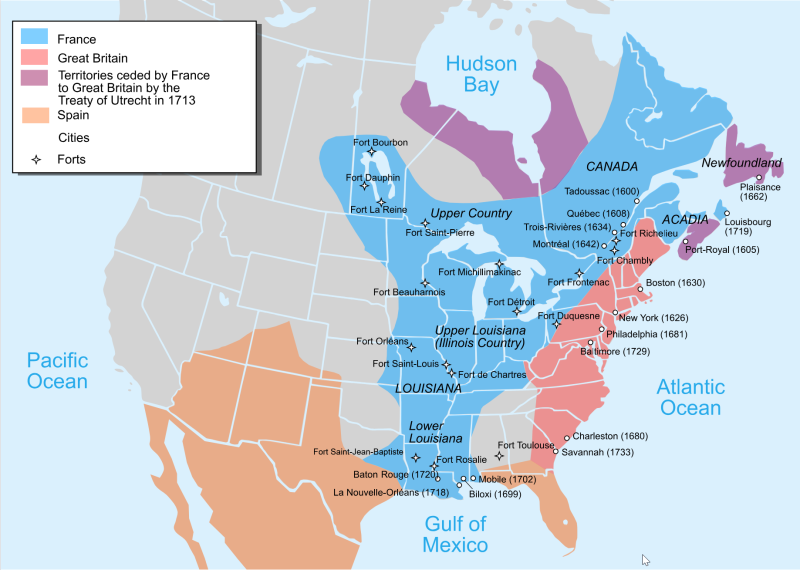
The British and French Empires were the two main contenders for European domination of North America in the mid-18th century. Britain controlled much of the Atlantic seaboard and the lands around Hudson Bay, and had a larger population in the coastal cities, allowing them to offer cheaper, higher-quality goods for trade with Native Americans. France, spreading southwest via a network of forts from what is present-day Eastern Canada, had extended far inland and blocked British expansion to the west; they controlled important waterways such as the Great Lakes and the Mississippi, had numerous alliances with Native American tribes, and were good at blocking British access to Indian trade.
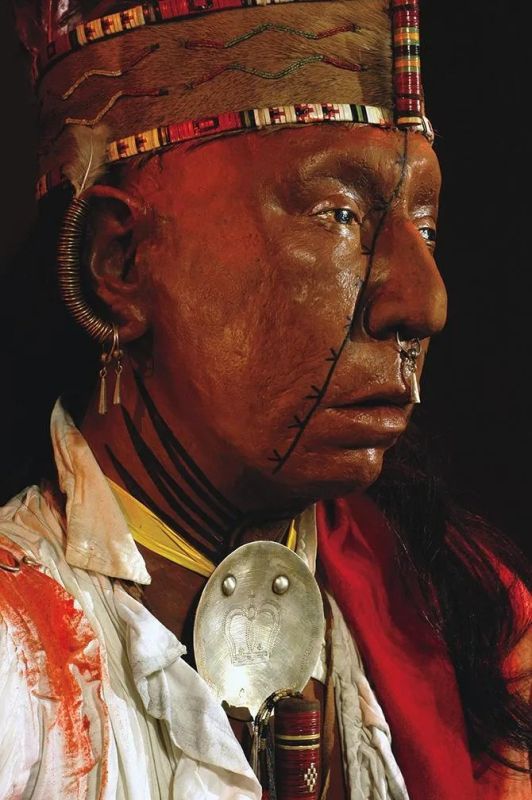
Britain allied itself with the Iroquois Confederation, also called the Six Nations, to offset France’s advantage in Indian relationships. One ally they had was an Ohio Iroquois chief named Tanaghrisson, dubbed “Half King” by the British. Some sources claim Tanaghrisson was a high-ranking diplomat who could speak on behalf of the entire Confederation; others say he was merely a village chief. Either way, he hated the French and was keen on allying his people with Britain.
Tensions between Britain and France in America were running high by the early 1750s; the French philosopher Voltaire wrote at roughly the same time that “So complicated are the political interests of the present times that a shot fired in America shall be the signal for setting all Europe together by the ears.”
Things came to a head in 1753 in the Ohio River Valley, which both sides tried to grab. The Ohio Company was founded in 1748 in Virginia to encourage prospecting and trade with Native Americans. Its organizers were Colonel Thomas Lee, a Virginian planter, politician and distant family member of Civil War Confederate General Robert E. Lee; and Lawrence and Augustine Washington, young George Washington’s half-brothers. Investors included Virginia governor Robert Dinwiddie, future Founding Fathers George Mason and George Francis Mercer, several other prominent Virginians, and George Washington himself.
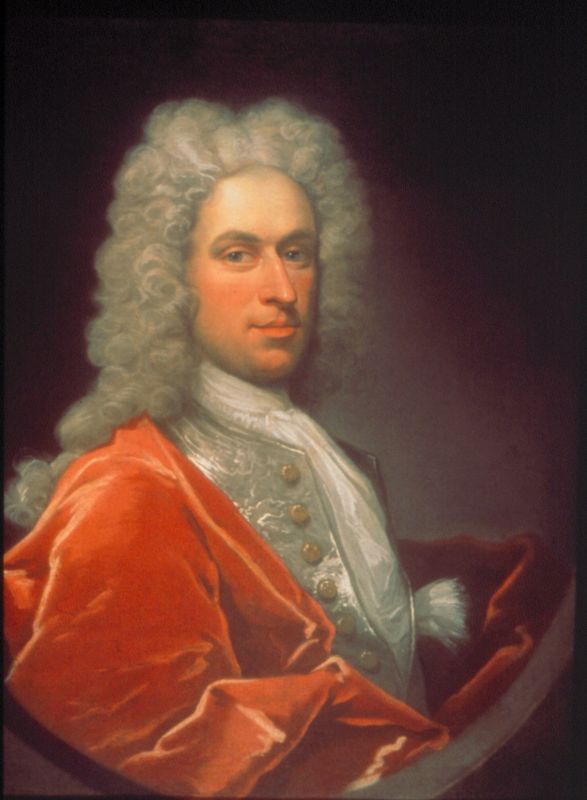
The next year, the company received half a million acres in the Ohio River Valley as a tax- and rent-free land grant from the British Crown, where they had to settle at least 100 families in seven years. They set about exploring the land and developing the initial infrastructure. The local Native American tribes gave the British permission to proceed with the settlement at the 1752 Treaty of Logstown, hosted by the eponymous Iroquois village. Tanaghrisson the Half King represented the Iroquois at the talks.
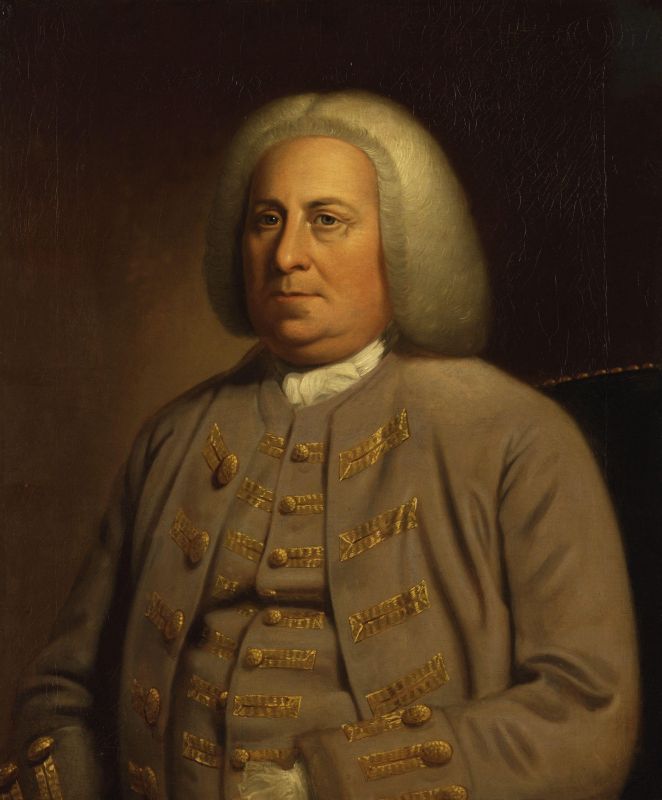
The French, however, also had their sights on the Ohio River Valley, and began its military occupation in 1753, building forts and driving out British traders. Governor Dinwiddie knew that a French occupation would sink the Ohio Company’s settlement plan, depriving the company of massive potential profits. He consulted with the British government in London, and was ordered to send a letter to the French, reiterating British claims on the area and warning them to stay away. Dinwiddie chose 21-year-old George Washington to deliver the letter. Washington held a major’s commission at the time, but was a complete military unknown with no combat experience. He was, however, considered the most knowledgeable non-Native expert on the region’s geography due to his earlier survey work, and had the trust of both the Virginia government and the Ohio Company (in which he was an investor).
Washington took off with the letter and eight men, and traveled to Logstown, arriving on November 23, 1753. There he met Tanaghrisson and several other Native American leaders. They advised him on the best route to Fort Le Boeuf, where the commander in charge of French forces in the Ohio River Valley was stationed. The Half King also insisted that he and three others accompany Washington for safety.
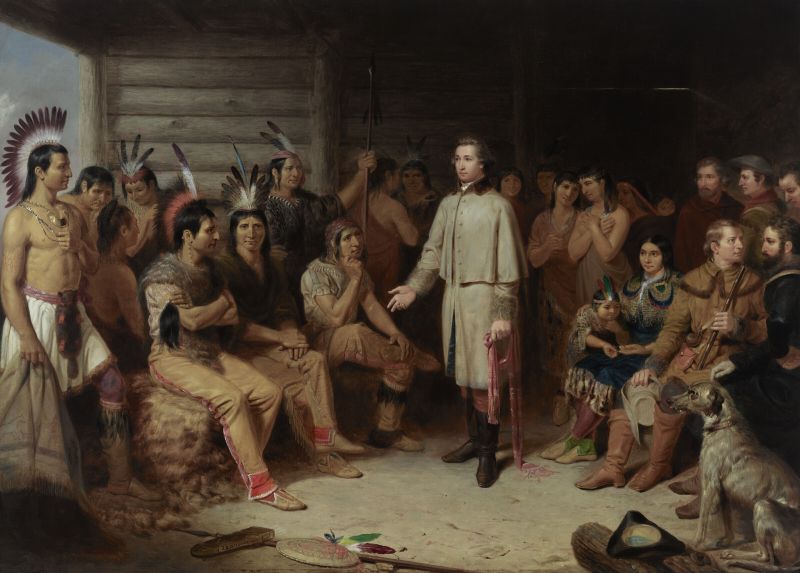
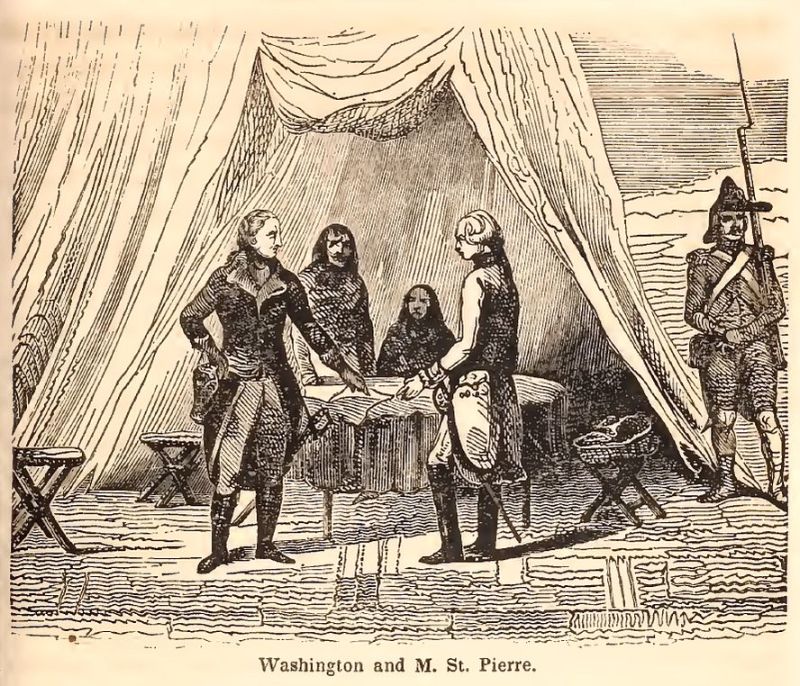
Washington reached Venango on November 30, where the local French commander greeted him warmly and offered wine and brandy. Intoxicated, some of the Indians pledged allegiance to the French, and it took Washington three days to convince them to go on with him. They finally reached Fort Le Boeuf and met the French commander, Jacques Legardeur de Saint-Pierre. Saint-Pierre received him with hospitality, but firmly rejected Dinwiddie’s demands. He pointed out that the letter should have been addressed and delivered to his superior, the Marquis Duquesne, who was the governor of New France and resided in Canada.
Washington turned back, his mission seemingly a failure. He did seize the opportunity to examine local French military arrangements before his difficult, month-long journey home. To his consternation, Tanaghrisson and the other Indians stayed behind at the French fortress, and the French were clearly trying to win them over. Upon Washington’s return to Virginia, Governor Dinwiddie published his account of the expedition to publicize the French threat. The account was printed in both America and Europe and earned Washington international recognition.
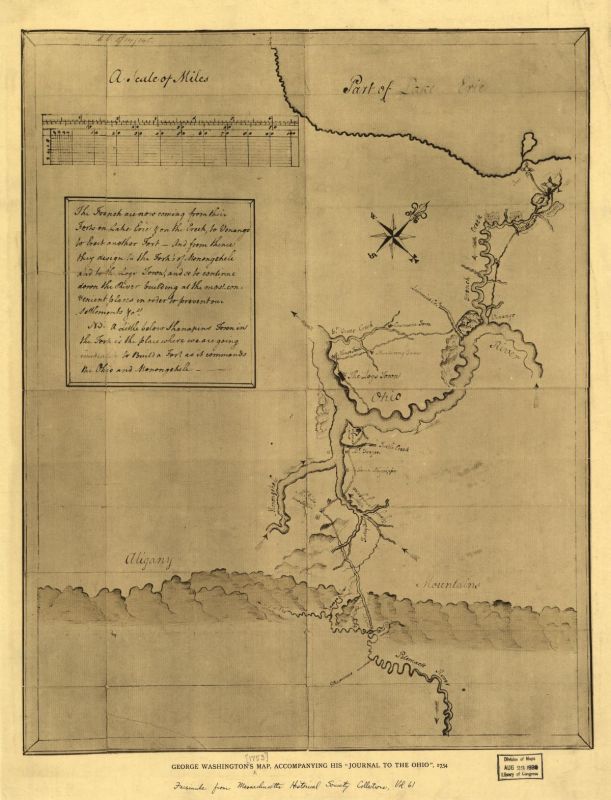
While on his mission, Washington stopped at the confluence of the Allegheny and Monongahela Rivers, where they combined into the Ohio, and noted that the location was suitable for a strategically placed fort. He wasn’t the only one who thought so; as he was returning to Williamsburg in early January 1754, he passed 17 horses loaded with materials and stores. While he was absent, Governor Dinwiddie already dispatched a force to build a fort at the same location. It was named Fort Prince George, but was also known as Trent’s Fort after fur trader William Trent, who was commissioned to oversee the construction.
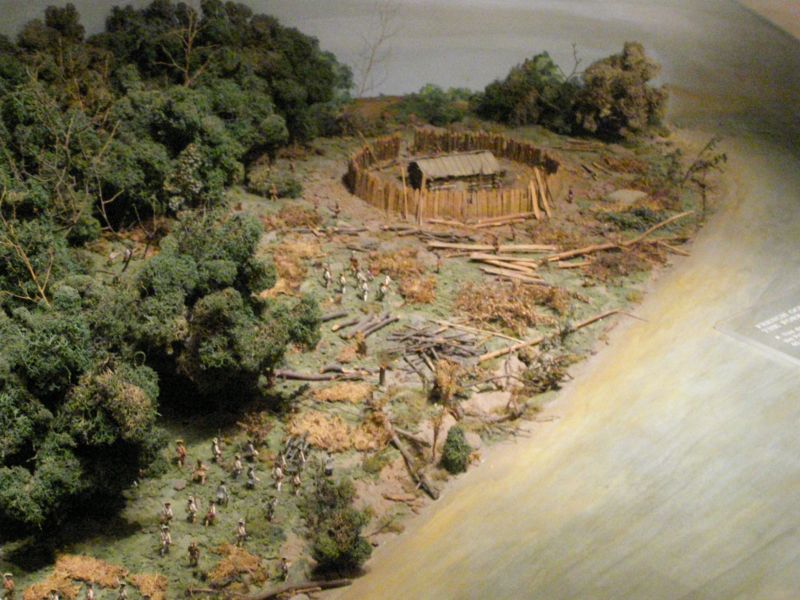
Washington was promoted to lieutenant colonel on his return and given new orders. He was to raise a force, return to the fort and assist in its completion. His orders from Governor Dinwiddie were phrased very ambiguously: "act on the [defensive], but in Case any Attempts are made to obstruct the Works or interrupt our [settlements] by any Persons whatsoever, You are to restrain all such Offenders, & in Case of resistance to make Prisoners of or kill and destroy them." Dinwiddie issued his order without the knowledge of the British government; some historians suggest that he was deliberately trying to get Washington to provoke a war with the French.
While this was happening, a French detachment discovered Fort Prince George, still under construction on March 4. Determined to dislodge the British, the French dispatched a large force to capture the fort before it could be completed.
Washington departed on April 2, but only managed to raise a force of less than 160 men with no artillery. On April 19, outside Winchester, Virginia, he received word that the French were advancing down the Allegheny, right towards unfinished Fort Prince George. His mission turned into a race between French forces and his own to the river fork.
The French won. On April 18, about 600 French soldiers arrived at the fort. Their commander, Claude-Pierre Pécaudy de Contrecœur, offered the grossly outnumbered British defenders a chance to retreat peacefully, an offer they took without much hesitation. As it happened, Tanaghrisson, the “Half King,” happened to be in the fort, which he was helping construct. He got into an indignant altercation with the French which turned into a scuffle, but cooler heads prevailed and the British and Tanaghrisson were allowed to leave without further incident. The French destroyed the partially-built fort and started constructing their own, which would become known as Fort Duquesne. The fort had devastating impact on British trade with local Native Americans, pushing the latter towards an alliance with the French during the French and Indian War.
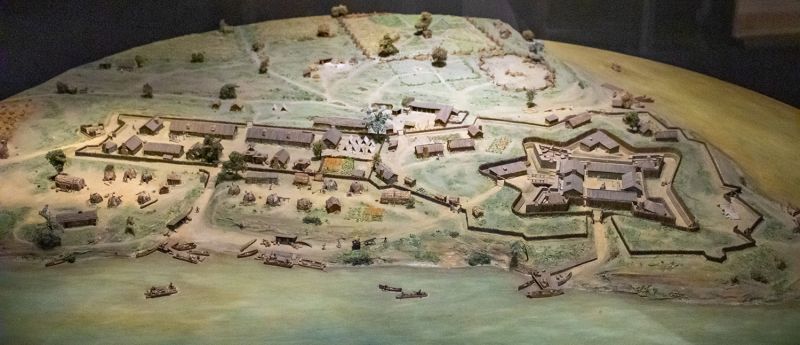
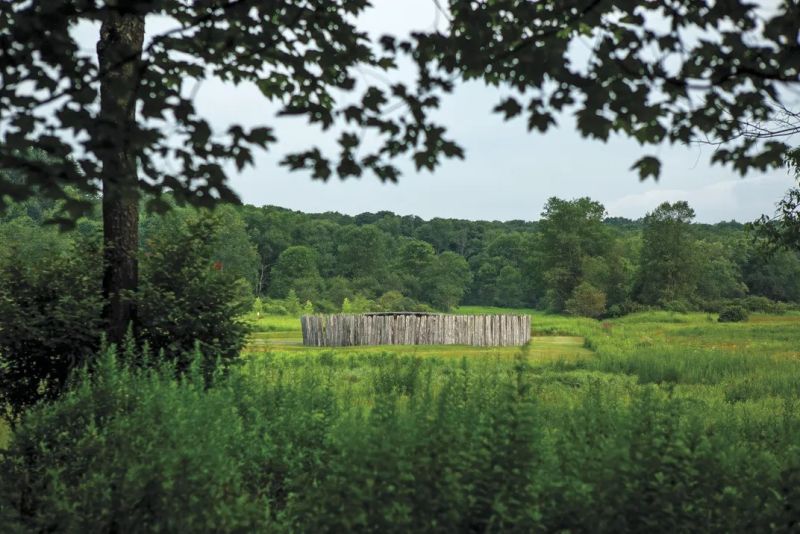
Washington got news of the loss of Trent’s Fort from some of the men who were working on the construction, and who were carrying a message addressed to him from Tanaghrisson. Washington moved his troops to a location known as the Great Meadows 37 miles (60 km) from the river fork and set up camp there to decide on his next move and to keep Tanaghrisson’s support.
With the formerly British fort at the river fork fallen into French hands and Washington’s force encamped in what the French considered their own territory, the stage was set for a violent confrontation that led to events none of the participants could imagine at the time. The second part of our article will be about Washington’s first combat action and its far-reaching consequences.






Beaches of Normandy Tours
Beaches of Normandy Tours SAS, Normandy, France
Band of Brothers Tours
Band of Brothers Tours FZCO, Dubai, UAE